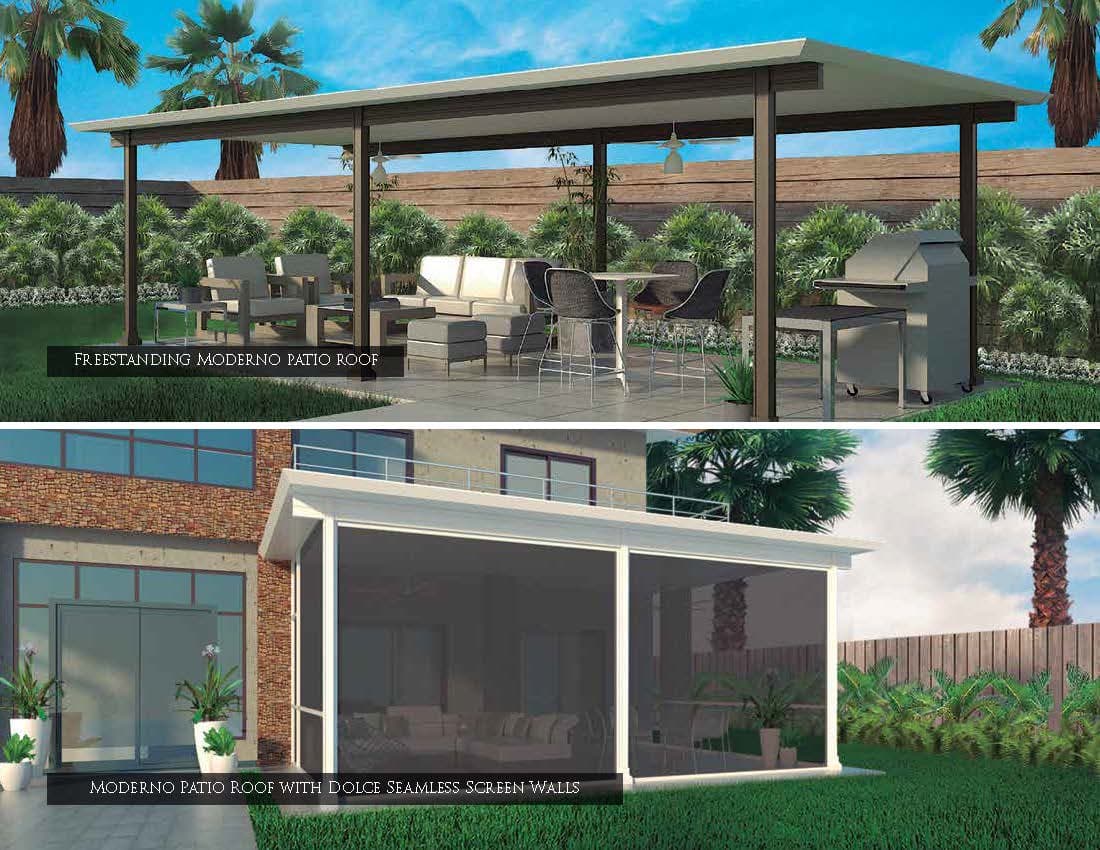
20×20 mesh to keep no-see-ums out
20×20 mesh (sometimes called no-see-um mesh) has 20 strands per inch in both directions, vs.
How 20×20 mesh to keep no-see-ums out actually works.
20×20 mesh (sometimes called no-see-um mesh) has 20 strands per inch in both directions, vs. standard 18×14 fiberglass screen that has fewer strands per inch. The smaller openings stop biting midges (no-see-ums), gnats, and other small insects that pass through standard mesh — essential for full-season patio usability in Northeast Florida's coastal and tree-canopied areas.
The trade-off is slightly reduced visibility through the screen and very modestly reduced airflow. Most homeowners report neither as a noticeable issue. Cost premium over standard 18×14 mesh is modest at install; retrofitting later by re-screening is dramatically more expensive than getting it right the first time.
The execution details that decide outcome.
Specify at install, not later. Retrofitting is multiple times the install-time cost.
Frame and cable selection. Some lower-grade frames don't tension the finer mesh as well.
Visibility through the mesh. Slightly reduced; not significant on most installs.
Other patios outcomes I've built.
Recent field notes.
Hurricane-Rated Patio Cover Spec in Florida: What 130, 140, and 175 mph Actually Mean
What FBC 130 mph and 140 mph wind zones require for FL patio covers — and the four engineering details every install must hit.
Read it
Patio Cover Types in Northeast Florida: Aluminum, Polycarbonate, Solid Roof
Aluminum, polycarbonate, and solid-roof patio covers compared by light, heat, rain noise, and NE Florida tree canopy fit.
Read it
Renaissance Patio vs. DIY Patio Cover: Which Is Right for Your NE Florida Yard?
Renaissance Patio vs DIY off-the-shelf cover — engineering, warranty, permit speed compared for NE Florida.
Read it
See your range in 90 seconds.
Tell me about your project — you'll see a real budget range mid-flow, and I'll call within 24 hours with a fixed quote.