Heated tile floor
Heated floors in a bathroom use electric resistance mats or hydronic loops embedded in the floor under tile.
How heated tile floor actually works.
Heated floors in a bathroom use electric resistance mats or hydronic loops embedded in the floor under tile. Electric is far more common in residential bathrooms because it's simpler to install (mats roll out flat, connect to a thermostat), uses standard 120V/240V wiring, and warms a smaller space quickly. The trade-off is operating cost — running heated floors continuously adds noticeable electricity use.
Install happens during the bathroom remodel; the mat goes between the substrate and the tile, the thermostat mounts on the wall, and the dedicated circuit (usually 20A) comes from the panel. Programmable thermostats with floor-sensor feedback give the best comfort and lowest energy use.
The execution details that decide outcome.
Dedicated 20A GFCI-protected circuit. Sharing with vanity circuit isn't compliant.
Programmable thermostat. The pre-warm schedule matters for both comfort and energy use.
Floor sensor placement. Sensor wire location affects accuracy; document it in case of future tile replacement.
Other bathroom remodeling outcomes I've built.
Read the Clay County bathroom remodeling guide.
Tier-by-tier costs, the full permit walkthrough, and the FAQs Mark hears most often.
Read the guideRecent field notes.
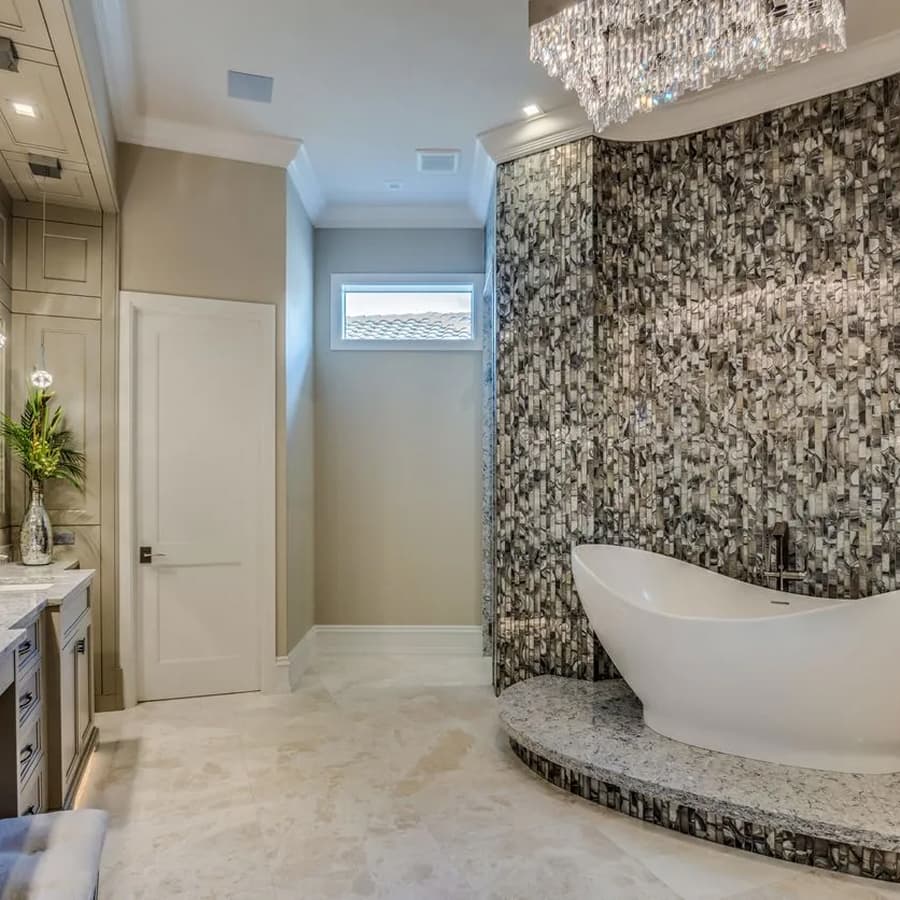
Bathroom Remodel Timeline in NE Florida: Week-by-Week from Mark's Walkthrough
Week by week through a NE Florida bathroom remodel — permit lead time, trade sequence, and the four things that consistently slow projects down.
Read it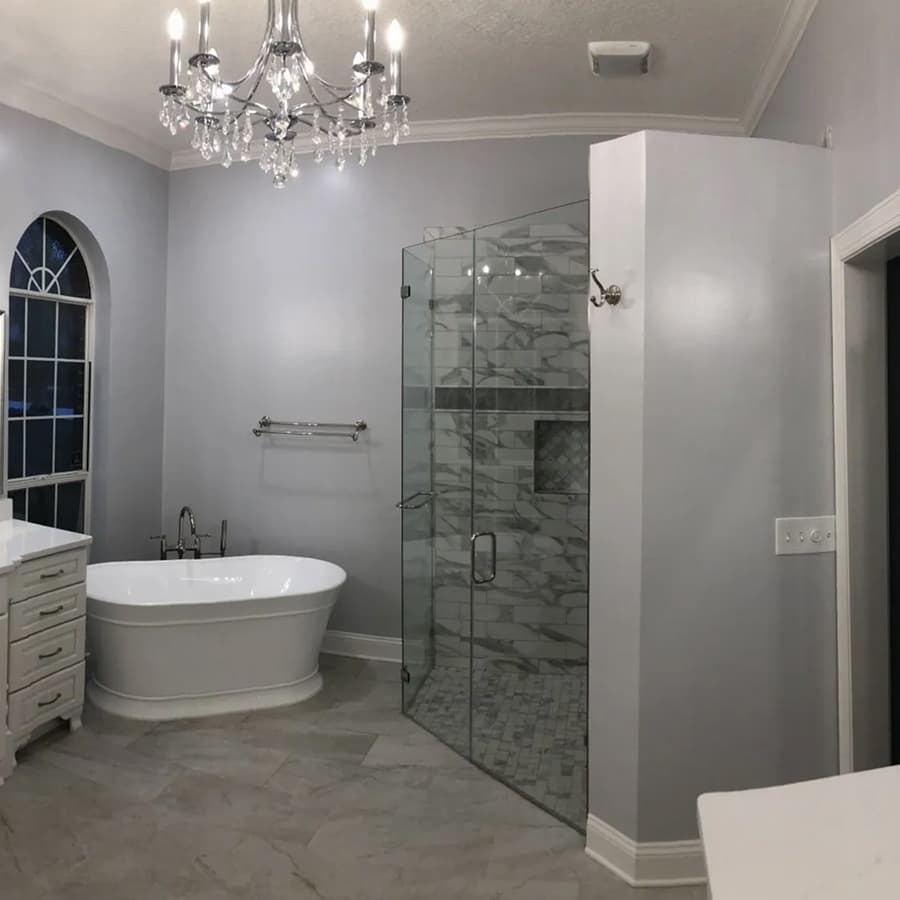
Accessible Bathroom Modifications in Florida: What Actually Helps (and What Doesn't)
ADA-aware bathroom modifications for NE Florida homes — what actually helps for aging in place vs. what just looks accessible.
Read it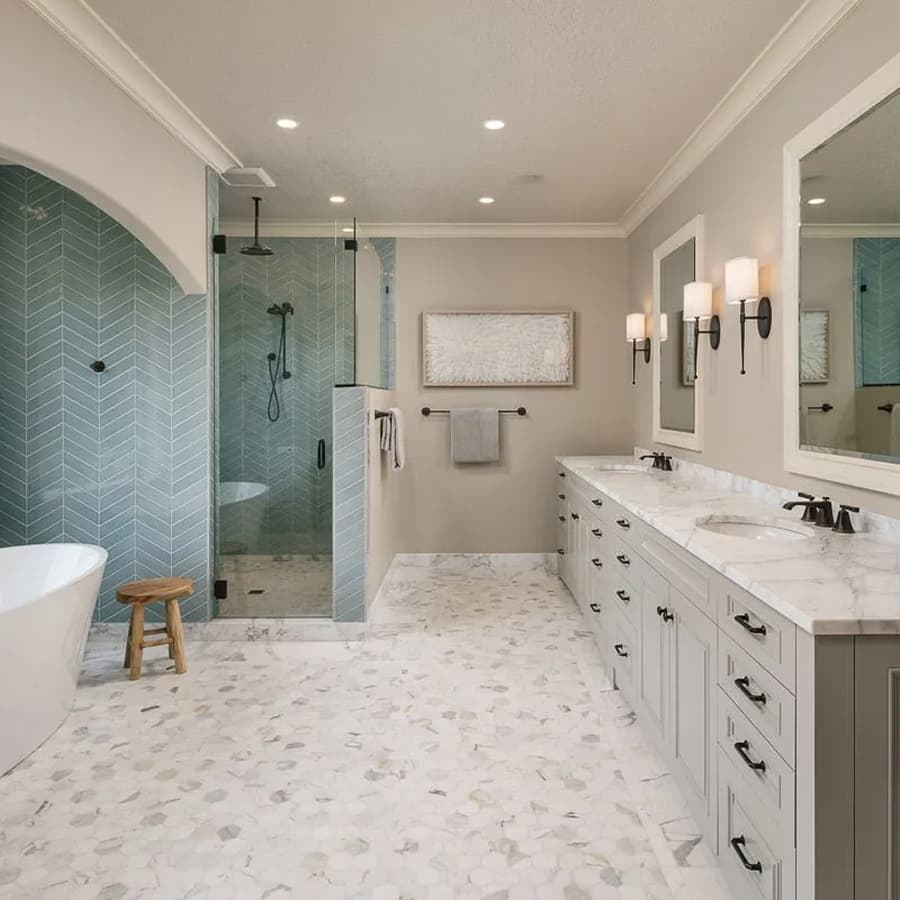
Bathroom Ventilation Code in Florida: What Actually Works (vs. Code Minimum)
Florida's 50 CFM code minimum is the legal floor — and the wrong number for any NE Florida master bath. Here's what actually works.
Read it
See your range in 90 seconds.
Tell me about your project — you'll see a real budget range mid-flow, and I'll call within 24 hours with a fixed quote.